
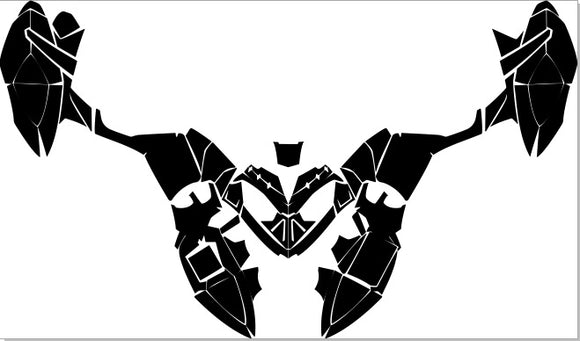
Polaris Outlaw 90-110 Template 2007-2014
Polaris Outlaw 90-110 Template (2007-2014)
This Polaris Outlaw 90-110 Template (2007-2014) is built for wrap shops, powersports designers, and custom graphics creators who need a clean digital starting point for building youth ATV graphics. This is a digital template product only, made for layout work, mockups, proofs, and production planning - not a printed graphics kit.
If you are creating custom graphics for the Polaris Outlaw 90 or 110 platform, this template gives you a cleaner way to build panel layouts, color themes, sponsor-style concepts, and full custom wrap artwork without wasting time tracing rough images or rebuilding shapes from scratch.
Why This Template Works
- Gives designers a cleaner base for Polaris Outlaw 90-110 graphics
- Helps improve panel flow and layout consistency
- Speeds up design time for proofs and production planning
- Ideal for wrap shops, freelancers, and powersports graphics sellers
More Information - Full Product Details
Polaris Outlaw 90-110 Template (2007-2014) - Full Product Details
The Polaris Outlaw 90-110 Template is designed for creators who need a structured digital base for building custom ATV graphics. Whether you are a professional wrap shop, a freelance graphics designer, or a powersports seller developing new layouts, this template provides a more efficient starting point for design work, mockups, customer proofs, and production preparation. Instead of piecing together shapes from rough photos, this template gives you a cleaner layout foundation that helps streamline the entire creative process.
The Polaris Outlaw 90 and 110 models are popular youth ATV platforms, and creating graphics for them still requires good visual structure. Even though they are smaller machines, they still need balanced design flow, readable logo placement, and strong movement across the plastics. This template helps support that by giving designers a better way to map graphics from the start. With a cleaner base, it becomes much easier to create graphics that feel intentional rather than forced.
Many designers run into the same problem when building powersports graphics without a proper template. The layout may look decent on screen, but once it is translated onto the actual plastics, the design can lose its flow. Stripes may break awkwardly, logos may land in poor positions, and major color sections may not line up correctly with the body shape. A product-specific template helps avoid those issues by giving you a more reliable digital guide before the artwork ever reaches production.
Built for Real Workflow Use
This template is meant to be part of a real design workflow. It can be used to create customer mockups, proof multiple colorways, test branding concepts, and build cleaner graphics packages for future print production. Designers and wrap shops often work through several rounds of revisions before finalizing a design, so having a structured digital base makes the process much faster and easier to control. Instead of rebuilding the vehicle layout each time, you can focus on the artwork itself.
That is one of the biggest advantages of using a proper template. It saves time, improves consistency, and makes revisions easier. Over time, that becomes a major benefit for businesses that handle multiple jobs or create repeat graphics products for online stores. A reusable base supports more efficient workflow and cleaner results across a full product line.
Why Model-Specific Templates Matter
The Polaris Outlaw 90-110 Template is more useful than a generic ATV outline because it is centered around a specific platform. That matters when designing graphics that need to look natural on the machine. A youth ATV still has its own body lines, visual rhythm, and panel transitions, and the graphics should follow those shapes instead of fighting them. When a layout is built on a model-specific base, it usually ends up looking more polished and better integrated with the vehicle.
This also improves how graphics read from a distance. Better flow across the front and side panels makes the overall design look stronger, while cleaner spacing helps logos and accent areas stand out the way they should. For custom work, those details make a huge difference in how professional the final product appears.
Who This Template Is For
- Powersports graphics designers creating youth ATV layouts
- Wrap shops building custom Polaris Outlaw 90-110 graphics
- Freelancers producing proofs and mockups for customers
- Online sellers building digital template or graphics product lines
- ATV owners working with designers on a custom build
This template is valuable for anyone who wants a better digital starting point for custom youth ATV graphics. It supports both one-off projects and repeatable design workflow, making it useful for serious creators who want stronger, cleaner results.
Best Uses for This Template
- Creating custom Polaris Outlaw 90-110 graphics layouts
- Building proofs and mockups for customers
- Planning logo placement and sponsor-style panel art
- Designing full wrap concepts and color themes
- Preparing organized files for future print workflow
As a reusable design tool, this template becomes more useful every time it is used. Instead of wasting time recreating the same shapes, designers can put that energy into building better artwork, improving the visual concept, and making the final design more unique and more professional.
Final Summary
The Polaris Outlaw 90-110 Template (2007-2014) provides a clean and dependable digital base for building custom youth ATV graphics. It helps improve workflow, supports stronger layout control, and gives designers a better foundation for mockups, proofs, and production-ready concepts. For wrap shops, powersports graphics sellers, and freelance designers, it is a valuable tool for creating cleaner and more professional Polaris Outlaw graphics.
If you need a digital template for the Polaris Outlaw 90 or 110 platform, this file gives you a faster and more organized way to create graphics that look sharper, flow better, and are easier to develop from concept to final design.