
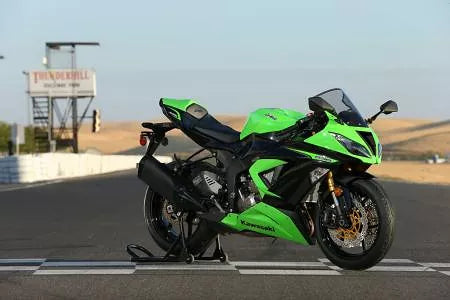
Kawasaki NINJA ZX-6R 636 2013-2018 ZX6R
KAWASAKI NINJA ZX-6R 636 2013-2018 ZX6R
This product is written as a digital template file for the KAWASAKI NINJA ZX-6R 636 2013-2018 ZX6R. It is intended for layout, concept work, and graphics planning for designers, wrap shops, and experienced builders who need a cleaner starting point when creating artwork for this machine.
If you want a machine-specific starting point that helps artwork feel more intentional on the KAWASAKI NINJA ZX-6R 636 2013-2018 ZX6R, this listing is aimed at that exact use case. It is built around the title itself, so the product language stays matched to the real platform instead of being treated like a generic one-size-fits-all page.
Full Fitment & File Notes ▼
Template Purpose & Platform Focus
The KAWASAKI NINJA ZX-6R 636 2013-2018 ZX6R listing is written for buyers who need a real digital template file rather than a printed kit. This product is meant for designers, wrap shops, graphics builders, print teams, and experienced creators who want a cleaner starting point when laying out artwork for the KAWASAKI NINJA ZX-6R 636 2013-2018 ZX6R. On a project like this, the value is not only in having the vehicle name attached to the listing. The value is in having a digital layout that helps you visualize panel flow, align artwork more intelligently, and build a design that feels intentional instead of random. That matters whether the final project is a race look, a shop demo, a customer mockup, or a custom design built for one unique machine.
This is a digital motorsports template file. It is not a physical decal kit, not a pre-printed wrap, and not a ready-to-ship box of graphics. The purpose of a template is to give the designer a more reliable surface to work from when planning a concept for the Kawasaki platform. When you are building art for a off-road vehicle, every curve, cut line, corner, and body break changes how the design reads once it is installed. A better starting file lets you spend less time fighting the shape of the vehicle and more time building a strong composition that looks correct from the hood to the side panels and through the rear section.
One of the biggest mistakes in graphics work is treating every machine like a blank rectangle. The KAWASAKI NINJA ZX-6R 636 2013-2018 ZX6R does not read like a flat sheet; it has body flow, transitions, and viewing angles that directly influence the final result. That is why a dedicated template matters. It lets you build with the machine in mind instead of forcing a design onto the vehicle after the fact. For creators working with custom names, race numbers, sponsor placement, camouflage patterns, layered textures, color fades, or aggressive striping, that planning advantage becomes even more important. Templates help the art feel like it belongs on the machine.
The KAWASAKI NINJA ZX-6R 636 2013-2018 ZX6R entry is useful for teams who want to create polished concepts quickly. Whether you are mocking up a customer proposal, preparing print-ready artwork, testing a brand color package, or building multiple design options for approval, a reliable base file helps speed up the workflow. That speed is not just convenience; it affects quality too. When the template is built around the correct machine family and year grouping like 2013-2018, you can make better choices about alignment, scale, and visual balance before any material ever hits the printer.
Because this is a digital file product, the presentation inside the listing is focused on workflow, layout, design use, and ownership protection. Customers buying template files are usually not beginners clicking around for novelty. They are often designers, shop owners, freelancers, motorsports creatives, or serious hobbyists who understand that time saved on setup translates into a better final product. That is why the content here goes beyond basic sales copy. It explains how a file like this fits into real design work, why it matters for the KAWASAKI NINJA ZX-6R 636 2013-2018 ZX6R, and how it supports a cleaner result when artwork is built carefully.
The file positioning is also important because some machines, especially in the Kawasaki family, have surfaces that look simple from a distance but become challenging once real art is applied. A panel may appear flat until a heavy logo, pattern break, or background texture starts crossing a curve or line change. Once that happens, proportions can feel off very quickly. Using a dedicated template helps you anticipate those issues before the design reaches production. It makes it easier to maintain momentum in the artwork and keep key elements from getting trapped in awkward sections of the bodywork.
Digital template buyers also care about consistency. If you are producing more than one concept for the same machine, or if you plan to reuse a layout system across multiple customer builds, it helps to start from a stable structure. The KAWASAKI NINJA ZX-6R 636 2013-2018 ZX6R product is written with that mindset in mind. It supports a repeatable design workflow where colors, logos, numbering, and thematic elements can be swapped while the overall geometry of the machine still reads correctly. That kind of repeatability is valuable for shops, racers, and builders who want efficient production without sacrificing a custom feel.
Materials, Workflow & Ownership Notice ▼
Planning, Proofing & Client Use
Another reason files like this matter is presentation. A strong mockup sells the idea before the first print is produced. Customers often decide whether they love or hate a build based on the first rendered concept they see on screen. If the design looks crooked, forced, or poorly aligned to the body lines, confidence drops immediately. A better template gives you a more professional base so that your previews, proofs, and concept images look sharper from the start. That matters for approvals, deposits, marketing, and trust.
The vehicle family matters too. A Kawasaki machine carries its own styling language, and the best custom graphics usually respect that underlying identity instead of ignoring it. The strongest custom builds do not look like artwork pasted onto a random shape. They look like the vehicle and the design were developed together. That effect comes from understanding surface rhythm, proportion, and emphasis. With the KAWASAKI NINJA ZX-6R 636 2013-2018 ZX6R as the base, the file can help you create concepts that feel more natural, more aggressive, and more complete.
If your goal is to build race-inspired designs, layered sponsor treatments, modern camouflage layouts, grunge textures, geometric line work, or cleaner OEM-plus themes, starting from a proper template is one of the easiest ways to improve the finished product. Templates do not replace design skill, but they do give skilled users a better foundation. They reduce guesswork, make revisions easier, and help the artwork maintain coherence across multiple panels. For the KAWASAKI NINJA ZX-6R 636 2013-2018 ZX6R, that means the finished design can feel stronger from every major viewing angle instead of only looking good in one cropped screenshot.
The DMCA warning is placed at the very top on purpose because digital template products are frequently copied, shared, and resold without permission. This listing makes the ownership position clear immediately: the file structure, layout work, product presentation, and protected creative content are not for resale, not for redistribution, and not for unauthorized sharing. That clarity protects legitimate buyers and preserves the value of original work. It also discourages the casual theft that often happens when people assume digital motorsports files can be passed around without consequence.
For real shops and designers, ownership protection matters. When you pay for a digital template, you are investing in a working tool that saves time and supports cleaner production. If that same tool is stolen and flooded everywhere, the value of the legitimate product drops. That is why the warning language here is intentionally bold and high-contrast. It is not decoration. It is part of protecting original work, discouraging unauthorized reuse, and making expectations obvious from the first second someone lands on the page.
From a workflow standpoint, the KAWASAKI NINJA ZX-6R 636 2013-2018 ZX6R product is especially useful for planning full compositions. You can map number plate treatment, side panel emphasis, accent breaks, texture placement, color balance, and logo hierarchy much more confidently when the base shape is already in front of you. That is particularly important when dealing with layered looks that rely on symmetry, visual speed, or directional movement. Without a machine-specific template, those effects often collapse once the art is forced onto real panel proportions.
Templates are also valuable for client communication. Many clients know what they want emotionally but cannot explain it clearly. They might say they want something more aggressive, more factory, more race-ready, cleaner, darker, louder, or more modern. Using a dedicated file for the KAWASAKI NINJA ZX-6R 636 2013-2018 ZX6R lets you turn those vague ideas into real on-vehicle concepts quickly. That makes feedback easier, shortens the revision loop, and gives both the designer and the customer a clearer path toward a final approved direction.
Complete Product Details & Common Questions ▼
Design Use, Value & Protection
If you work across multiple manufacturers, mixed product batches, or different machine categories, you already know why reading the title carefully matters. A Kawasaki file should not be written like a , and a off-road vehicle listing should not read like an ATV template or a roadster package if the title does not support that. This product is built to follow the actual machine name in the title so the content stays aligned to the specific platform being sold. That helps keep product pages cleaner, more credible, and more useful for real customers.
Model-year language matters for the same reason. When a title references 2013-2018, that information matters to the buyer because it affects whether the file matches the machine family they are designing for. Even where a body style spans multiple years, a buyer wants to know the listing was written with that year range in mind rather than copied lazily from another product. A better listing respects the title, respects the platform, and respects the buyer who is trying to pick the right digital file from a large catalog.
In practical use, this type of template can support concept art, final design preparation, quote images, sponsor placement tests, colorway exploration, social media previews, and side-by-side version comparisons. Because it is a digital planning tool, the file earns its value before production even starts. That is why serious designers often build libraries of machine-specific templates. Each correct file speeds up future work, improves consistency, and allows more ambitious design ideas because the base vehicle geometry is already accounted for.
The strongest custom graphics are rarely the busiest ones. They are the ones where every shape feels intentional. That kind of control is much easier to achieve when the design is built on top of a machine-specific framework. On the KAWASAKI NINJA ZX-6R 636 2013-2018 ZX6R, that means using the surfaces intelligently rather than just filling them. A good template helps you decide where to add energy, where to keep breathing room, where to place focus, and how to make the whole package look like one coherent build instead of disconnected panels.
Because digital product buyers often compare several listings at once, the page also needs to make the use case obvious. This is not written as a physical graphics kit listing and not presented like a ready-to-ship wrap package. It is intentionally framed as a template and cut-design workflow product for users who need a file they can work with. That distinction is important because it sets the right expectation, helps the right customer self-select, and reduces confusion about what is being purchased.
If you are building a product library for a shop, brand, or personal archive, file organization matters too. A good template product should be easy to identify, easy to match to the correct machine, and easy to drop into a workflow when a customer or project comes in. That is another reason to keep the content aligned with the title itself. The clearer the listing is, the faster a designer can identify the right starting point and move into creative work instead of wasting time checking whether the product was mislabeled or written for the wrong platform.
In the end, the point of a listing like KAWASAKI NINJA ZX-6R 636 2013-2018 ZX6R is simple: give serious users a stronger digital starting point. It should help you build art faster, communicate concepts more clearly, and produce graphics that feel more natural on the target machine. When the title, machine family, use case, protection notice, and design language all line up correctly, the product feels more trustworthy and more useful. That is exactly the goal here.
Popular Search Terms
KAWASAKI NINJA ZX-6R 636 2013-2018 ZX6R, Kawasaki template, KAWASAKI NINJA ZX-6R 636 2013-2018 ZX6R template, KAWASAKI NINJA ZX-6R 636 2013-2018 ZX6R graphics template, off-road vehicle wrap cut design file, KAWASAKI NINJA ZX-6R 636 2013-2018 ZX6R vector template, KAWASAKI NINJA ZX-6R 636 2013-2018 ZX6R digital design file, 2013-2018 template
Frequently Asked Questions
What is this product?
This listing is for a digital template file written around the KAWASAKI NINJA ZX-6R 636 2013-2018 ZX6R platform. It is meant for design and layout workflow, not a printed decal kit.
Is this a physical wrap kit?
No. This page is written as a digital file product for designers, print teams, and builders who need a template and cut-design starting point.
Why is the DMCA warning shown first?
Because the digital file structure, presentation, and protected creative content are not for resale, sharing, redistribution, or unauthorized reuse.
Who is this best for?
This product is best for designers, wrap shops, builders, and experienced creators working on Kawasaki concepts for the KAWASAKI NINJA ZX-6R 636 2013-2018 ZX6R.
Why use a machine-specific template?
A machine-specific template helps artwork line up better with the body lines of the KAWASAKI NINJA ZX-6R 636 2013-2018 ZX6R, which improves concept quality, revisions, and final production planning.